America’s War for Independence
James F. Murphy Jr.
Chapter Four
Boston’s London Bookstore was crowded but orderly. It was quiet as customers turned pages and scoured broadsides of current events of entertainment and lectures.
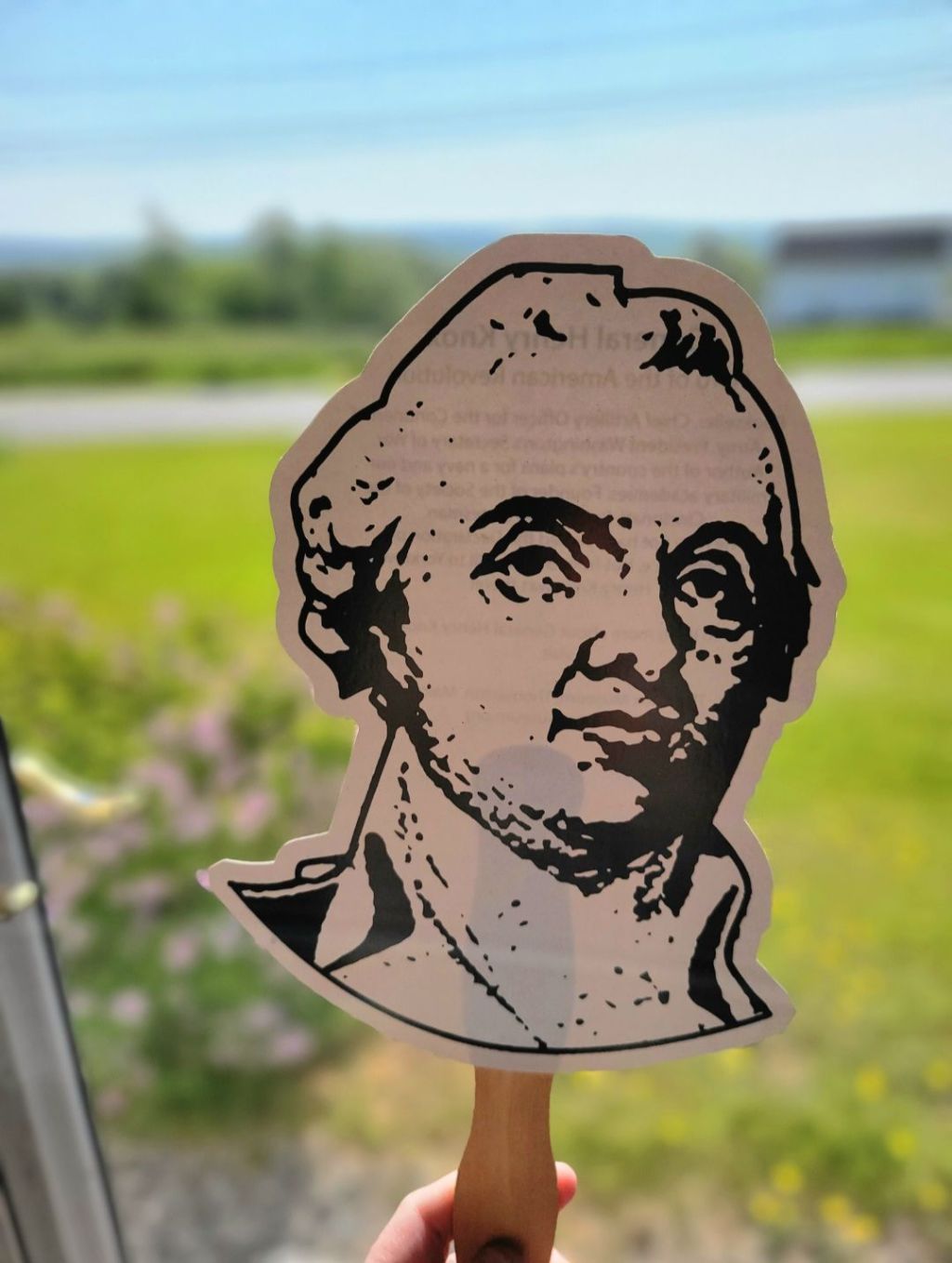
Henry Knox, the 25-year-old proprietor, curled up on a stool near the door relishing every sentence, phrase, and illustration of the monograph he held tightly in his hand.
Top hats and bonnets bobbed along the narrow aisles, bowing, curtsying, excusing while reaching high and low for the leather-bound books that littered the cherry wood shelves. Only when there was the questions of the price did the 16-year-old clerk timidly ask, “Mr. Knox, sir. Please, excuse me, but what is the price of the translation of Ovid?”
“Uh, oh, yes. The Art of Love. Poetry, oh.”
“Oh, never mind,” a voice jumped in.
A sparrow of a woman holding her handbag to her chest blushed and made a quick exit. Knox almost fell from his stool, laughing, gasping.
“Oh, heavens,” he returned to his reading. “The Art of Love, oh, heavens,” he continued chuckling.
As the magnificence of autumn sent sun shadows across the bookshelves and along the wide wood planks, Henry continued his reading, and young Eli Frogg continued doing the business of an eager young apprentice.
Two men entered and, looking up as though expecting them, Henry placed his reading on the stool and led them into a back storage area.
“I think I have the holograph you were interested in, Mr. Adams. Right this way.”
Sam Adams, built like the stump of a tree, short arms and shorter legs, followed briskly with Peter Kelp following, but anxiously looking over his shoulder. The room was small and cramped with boxes of books still unopened.
“I’m afraid you will have to sit on those boxes, Mr. Adams and Mr. Kelp.”
“Not to bother, Henry. My thoughts are brief. We know you are a member of a local military group and your presence at the Custom House riot is well-known. You are one of us, so I have no concern over your loyalties.”
“Pardon me for interrupting, sir, but your message this morning was a welcome one. The deaths of Samuel Gray, Johnson, Attucks, Maverick, and Carr were a monumental blunder. Boston will not soon forget those men. But you are aware, sir, that I attempted to quell that rabble, but pandemonium took over. I hope you do not view my actions as ever having been friendly toward the Red Coats.
“During that terrible night, I saw undermanned sentries whose lives were in danger. I am as loyal to our cause as any man, but I hold injustice us much an enemy as any Red Coat.”
“That is not why we are here.” Adams nodded at the querulous Kelp.
“We always felt your action was correct. However, I am here to enlist your help. I am here to tell you hat the Sons of Liberty will use that unsavory event to motivate that citizenry that it was the British who were to blame, not the rabble, as my dear cousin, John argued to forcibly in defending the sentries involved. Boston Massacre for sure.
“So, while your name is celebrated in certain quarters, I ask you to remain mute from here on in while I and my followers manipulate that occasion to our own advantage. Boston must act against a far-off King and an unscrupulous government. And, we must act soon. Revolution is in the wind, and we must fan the fires of that wind so that conflagration spreads throughout the country for freedom’s sake.”
Henry listened, and when Adams was finished, the narrow little room fairly echoed with rhetoric and passion.
“Now, a favor. My organization would be forever grateful if we could hold our meetings here. He added quickly, “After the business of the day, certainly.”
“These rooms are the least that I could grant for the good and glory of the cause. Is it the Sons of Liberty we are referring to?”
“Most assuredly, and any time you wish to join us as a member, you are welcome.”
“Ah, yes, you are more than welcome,” Kelp added in a stage whisper.
“I am honored, Mr. Adams. But, for the time being I will be faithful to my militia, but most gratefully remembering your kind offer. Advise me of your needs and I will make a key to the rear door available to you.”
They shook hands, Adams’ grip firm and strong. Kelp’s a fish, weak and wet.
The day wound down and, at 7:30, Knox sent Eli off to his home in Charlestown and went about placing books back on their appointed shelves by genre. Satisfied that everything was secure for the night, he snuffed out each candle with a long, slender taper. The scent of candle wax and smoke trailed him to the front of the shoppe where he extinguished the brass candelabra, its dying light playing across the title of the book that had consumed Henry throughout the day:
Artillery and the Weaponry of War by Klause Oldhausen.
 Falmouth Style
Leave a comment